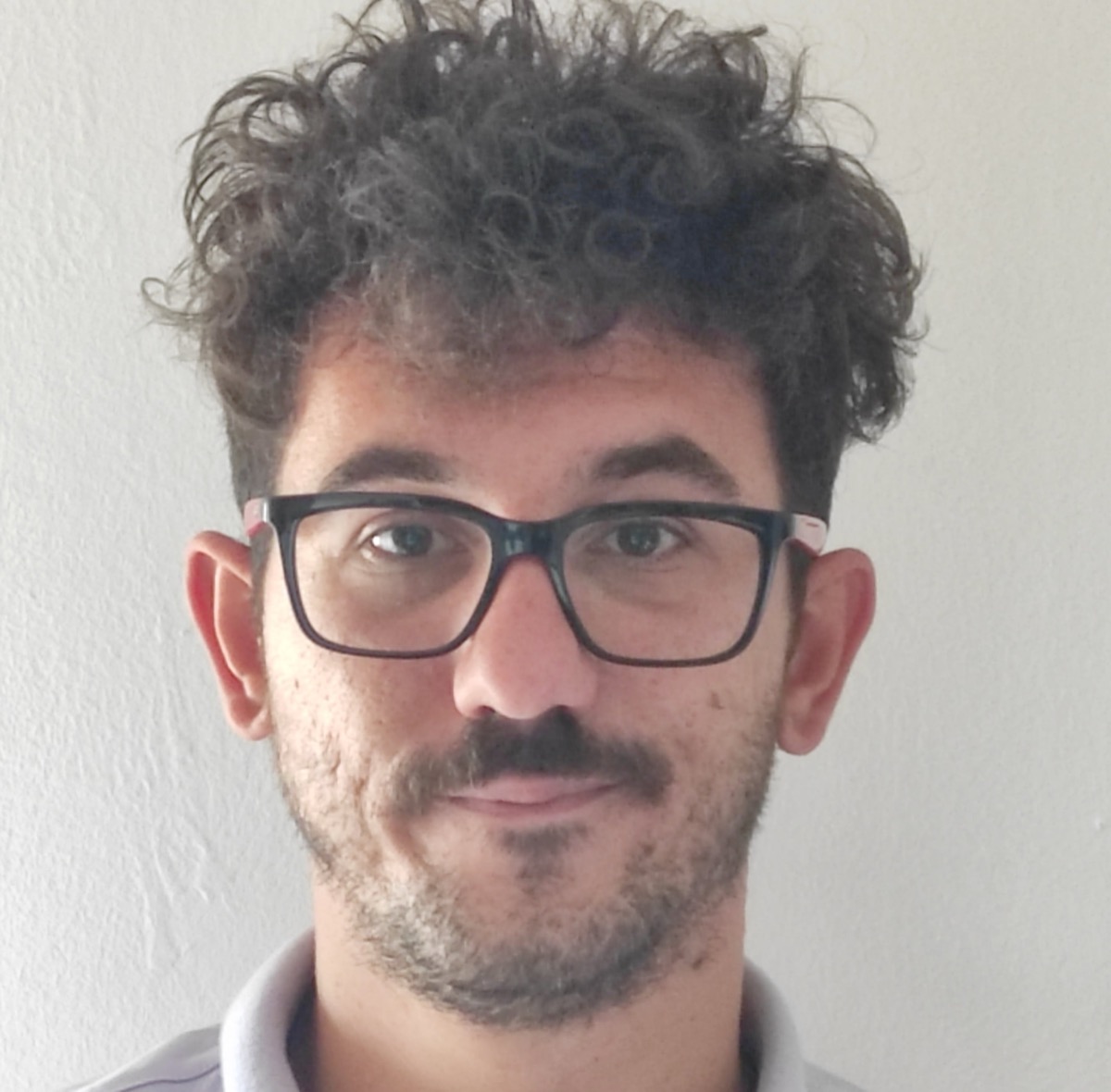
About me
Engineer, father, karateka. I care about systems that are easy to understand and teams that can sleep at night.
My story
I’m a backend engineer based in Milan. I started out in consulting, working on the systems of large Italian telecom and banking companies, where I learned how much a careful migration is worth when millions of people depend on a service.
Then came digital trust — signatures and timestamps with legal value across Europe — and today fintech at Satispay, where I look after subscriptions and loyalty. Different domains, same thread: systems that have to be right, not just fast.
Engineering matters most to me when it combines sound judgment, shared understanding, and responsibility for what happens after release. I’d rather write a clear design doc than a clever abstraction, and I’m happiest when on-call is boring.
Why backend systems
What drew me to backend engineering early on was the permanence of state: if an interface glitches, a user refreshes the page; if a payment or cryptographic signature engine fails, real money and legal trust are broken.
I enjoy working where trade-offs are concrete — balancing consistency with latency, choosing between synchronous boundaries and event-driven decoupling, and designing idempotency keys so network retries never cause duplicate side effects.
A great system isn’t one with the cleverest code; it’s one where failure modes are predictable, monitoring is honest, and the team can release on a Friday without holding their breath.
How I work
- 01
Keep it understandable
Clear boundaries and honest trade-offs help teams move faster than clever abstractions.
- 02
Own what you ship
Delivery includes observability, safe releases, and staying close to how the system really behaves.
- 03
Automate with intent
Tooling should remove repetitive work while keeping decisions and failure modes visible.
Experience
SatispayCurrent
Software Engineer · Milan
I work on subscriptions and loyalty — building Spring Boot services deployed on AWS and React interfaces for customer-facing flows. My job is making sure nobody is charged twice and no point goes missing.
The story behind it
- The situation
- Recurring payments were growing fast, and with them the risk of concurrency bugs and of loyalty balances drifting out of sync between services.
- The goal
- Rework how subscriptions and loyalty points are processed so the system stays correct and predictable under peak traffic.
- What I did
- Implemented Spring Boot services on AWS with CQRS separation, transactional outbox via SNS & SQS, and end-to-end idempotent flows connected to React frontends.
- The outcome
- 99.99% availability, zero double charges, and 40% lower P99 latency at subscription checkout.
Namirial
Software Engineer — Digital Trust · Milan / Remote
Four years on the systems behind legally valid digital signatures and timestamps (RFC 3161) used across Europe — software where “mostly correct” isn’t an option.
The story behind it
- The situation
- The timestamp verification engine slowed down under load spikes, putting strict eIDAS compliance SLAs at risk.
- The goal
- Modernise the cryptographic pipeline and remove database contention — without ever taking the service offline.
- What I did
- Broke the monolithic bottlenecks into asynchronous event streams, introduced database sharding with no downtime, and tuned the signing threads.
- The outcome
- 65% lower P99 verification latency, more than 10 million cryptographic operations a day, 100% audit compliance.
Digipax
Software Architect — Identity & Logistics · Remote
Alongside Namirial, I designed the authentication layer and backend-for-frontend gateways for a logistics platform running both in the cloud and on customers’ own servers.
The story behind it
- The situation
- Enterprise logistics customers needed to deploy on-premise or in the cloud, with strict isolation between tenants.
- The goal
- Deliver one backend architecture that handled OAuth2/OIDC token exchange and edge security for every deployment model.
- What I did
- Designed a modular monolith with clear domain boundaries, mTLS at the edge and fully automated infrastructure as code.
- The outcome
- Onboarding a new enterprise tenant went from weeks to hours, and releases stopped being stressful.
Spindox
Software Engineer — Enterprise Systems · Milan
Where I learned the trade: modernising backend systems for large Italian clients such as SIAE, TIM, Intesa Sanpaolo and Fastweb.
The story behind it
- The situation
- Legacy monoliths at big telecom and banking clients made every release slow and every deploy a risk.
- The goal
- Break the monoliths into services without ever interrupting a 24/7 service.
- What I did
- Migrated step by step with the strangler-fig pattern, added distributed tracing with OpenTelemetry and standardised the CI/CD pipelines.
- The outcome
- Releases went from monthly to daily, and critical rollbacks dropped to zero.
Outside work
- Dad
Family
My daughter brings perspective, energy, and purpose to every day.
- Two cats + one dog
Home
A lively household with no shortage of interruptions or character.
- Practice + teaching
Karate
A long-term discipline built on patience, repetition, and continuous refinement.